Agent for Field Support

Grow your fleet without pulling engineers off the roadmap.

With Alloy, support resolves more tickets on their own, and engineers get to the root cause faster.

SwarmFarm · first-line support

~30% → 80%

of tickets resolved without engineering

SwarmFarm · time per ticket

1–2 h → ~10 min

for support to work a ticket

Andromeda · root cause

Weeks → hours

for engineering investigations

If you lead engineering

More robots in the field. More tickets on your engineers' desks.

A ticket comes in. The context support needs lives with one engineer, as tribal knowledge. So that engineer stops building to reconstruct what happened, while support and the customer wait.

  • Tickets pile up as the fleet grows
  • More engineers get pulled into support
  • The next generation keeps getting interrupted
With Alloy

Alloy helps support resolve more. And helps engineers get to the root cause.

Field ticketsFrom every robot in the fleet
alloy
SupportTicket resolved80%of tickets at SwarmFarm,
up from about 30%
EngineeringRoot cause fixedStarts from the evidence Alloy already gathered

Field tickets flow into Alloy. Most are resolved in support, about 80% at SwarmFarm, up from about 30%. The rest go to engineering with the evidence attached, to fix the root cause.

How it works

From ticket to next step, in the thread your team already uses.

Customers

Robotics teams already run support this way.

SwarmFarmalloy
"Last year at this time, I was spending a day or more investigating issues and support tickets. Now it's usually less than an hour."
Mitch GaleaSenior Autonomy Engineer, SwarmFarm

1 day → 1 hour

Mitch's time on support investigations: a day or more last year, usually under an hour now

A week

from connecting telemetry to first results
Read the SwarmFarm storyCase study · 9:00 film
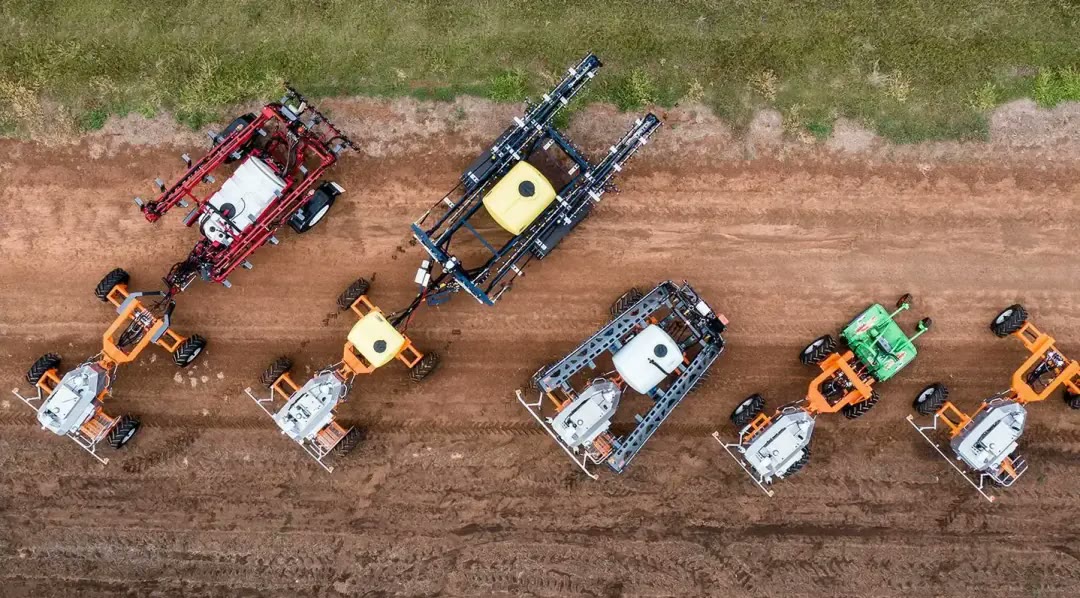
SwarmFarm robots lined up on red soil, seen from above
CS-••••Robot stopped: lost comms with controllerInternal comment
Alloy Initial triage
  1. Summary. The robot lost communication with its main and attachment controllers mid-job and stopped. The time comes from telemetry.
  2. Priority and route. P2, robot stopped. Route to Robotics Support, per the triage guide.
  3. Related tickets. 2 earlier tickets with similar comms faults. Dropout at 4:23 pm.
  4. Logs. CAN log requested for 4:13–4:33 pm. ✓ Received
  5. Next steps. Review the CAN log for bus errors before contacting the farmer.
Telemetry windowonly this window pulled
3:00 pm3:304:004:30
Shared knowledge

Every responder answers like your best engineer.

Your senior engineers' fixes, your triage guides and every past investigation sit behind each answer. A new support hire gets the same answer your most experienced engineer would give.

"It reinforces my team's knowledge and their confidence in their own calls."Jack Humphrey, Customer Success Team Lead, SwarmFarm
Setup

Connect once. Works with the tools and data you already have.

Not on the list? We'll build it with you.Forward-deployed engineers connect the rest of your stack, from custom robot APIs to in-house tools.Book a demo
Still deciding?

Watch the whole story in 3 minutes.

Made forCTOs and Heads of Engineering at Series A–C robotics companies

What happens on the call?

Thirty minutes, and nothing to prepare. We learn how support runs on your fleet, show you Alloy on robots like yours, and agree what a pilot should prove.

  1. Your fleet today. Where field issues come in, and who gets pulled in to answer them.
  2. Alloy on robots like yours. A live investigation on data that matches your robots, not a slide deck.
  3. What a pilot would prove. Data access, security, and the one outcome you'd judge it on.
Where does our data go, and who can see it?

Your data stays in your own Alloy workspace, and you control our access to it.

We agree hosting with your team so it fits your security and compliance needs. We go through your security review with you: we share our SOC 2 Type II report, answer your security questionnaire, and list every provider we use in our Trust Centre.
What access do you need, and how much work is it for us?

Read-only access to where your data already lives. That's your team's part. Our forward-deployed engineers do the rest.

Alloy connects to your cloud storage, databases, Jira, Slack and Confluence. Nothing changes on your robots, and you don't change how they log.

~1 weekfrom connecting to first results at SwarmFarm

"When Alloy came on board, it was pretty much just, "Oh, give us access to your logs and these connectors." … it was generally pretty seamless."

Yan Chen, Co-founder and CTO, Andromeda

Why not build it ourselves, or point ChatGPT or Codex at our logs?

You can build a version for one engineer. Keeping it working for a whole support team is the hard part.

A chat model doesn't come with your robot data, past tickets and runbooks connected, or anyone to keep them connected. Alloy is that layer, and it hands findings to your coding agent when it's time to fix the code.
"I could set something up and get it working well enough for me, but to support a whole team and having to then answer all their questions, that wasn't gonna be maintainable long term."

Mitch Galea, Senior Autonomy Engineer, SwarmFarm

Will it work with our robots and our stack?

Yes. It reads your logs as they are: MCAP, ROS, ROS 2, Parquet, CSV, ArduPilot and other formats.

You don't need ROS. If a format or tool isn't covered, our forward-deployed engineers build the connection for you.
Our robots are niche. Will it actually understand our domain?

It learns your robots from your own data, not from generic robotics knowledge.

Alloy works from your fleet's logs, tickets, docs and code. Our forward-deployed engineers tune it to how your team diagnoses issues, and your engineers' corrections add to its context in your workspace.
"There's some things that I've been doing for years as part of debugging, or you just know the answer to… It was just able to find it out in the first question."

Tom Brodie, Head of Autonomy, SwarmFarm

How do we know its answers are right?

Check them. Every finding links to the logs, tickets and code behind it.

Alloy posts its work for your team to review, and your people decide what goes back to the customer. You give it more room as trust builds.
"In the beginning, it was just kind of there in the background. We've stepping-stoned our way to it giving the answers forefront, so it's almost like it's been one of our engineers."

Sophie Lane, HRI and AI Engineer, Andromeda

What happens when it's wrong, or can't solve a ticket?

It escalates with the evidence, and it changes course when you correct it.

Engineering gets what Alloy checked, the signals around the fault and past tickets with the same signature. When a SwarmFarm engineer corrected a wrong assumption, Alloy withdrew the claim, reviewed related tickets for the same robot and proposed a better line of investigation.
Does it replace our support team?

No. It runs the first investigation on every ticket, so your team resolves more without escalating.

~30% → 80%of tickets resolved by SwarmFarm's L1 support

~200help desk conversations a week at Andromeda, investigated first by Alloy

What does it cost, during the pilot and after?

It depends on your fleet and how much you use Alloy, so we scope it with you after the first call.

Most teams start with a pilot on one workflow, then move to an annual partnership. We'll give you a business case to take to finance.
How do we know the pilot worked?

We agree the measures with you before the pilot starts.

For example: time to a first answer, tickets resolved before engineering, or engineering hours spent on support. At the end, you judge the pilot against them.

1–2 h → ~10 minper ticket at SwarmFarm

"Last year around this time, I was probably spending at least a day or more investigating issues and support tickets. But at the moment it's usually less than an hour here and there."

Mitch Galea, Senior Autonomy Engineer, SwarmFarm

Resolve more in support.Investigate faster in engineering.Keep your team building better robots.